
Neither approach alone would have won
The legal battle created impossible constraints – 23 conditions and a tight deadline that meant Europa had to move fast and get everything perfect. The direct action made moving fast impossible and getting everything perfect even harder. Every day the camp existed cost Europa money and attention. Every planning condition LHAG scrutinised added friction and delay.
This wasn’t one group defeating a multinational oil company. It was multiple groups using different tactics simultaneously. LHAG fought in committee rooms and courtrooms for six years. Protectors occupied the land for two years. Thousands of people wrote objections, attended meetings, donated money, and kept the pressure visible.
The lesson isn’t that direct action wins or that legal challenges win. The lesson is that sustained, multi-pronged resistance – maintained for nearly a decade by people who refused to give up – can make an “approved” project so difficult and expensive that even a multinational decides it’s not worth it.
Europa admitted it cost them at least £3 million. They were drilling for oil that, even if found, would have supplied barely one-ten-thousandth of UK energy demand. The maths stopped making sense.
In the end, the ancient woodland, the sunken lanes, the water supply, and the Area of Outstanding Natural Beauty that should have been protected from the start – was protected.
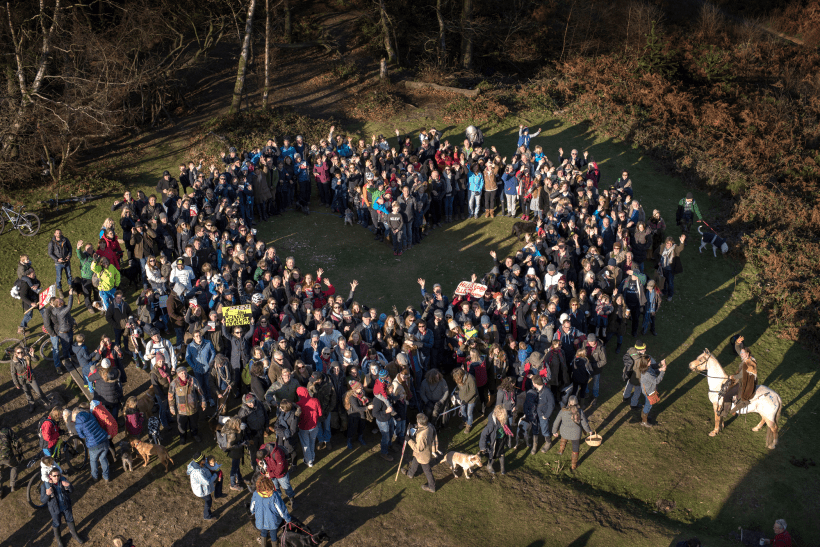
This site remains as a record of what’s possible when communities refuse to back down. The woods are still there. The camp is gone. The lesson remains: you don’t have to accept what corporations and councils decide for you.
 Save Leith Hill