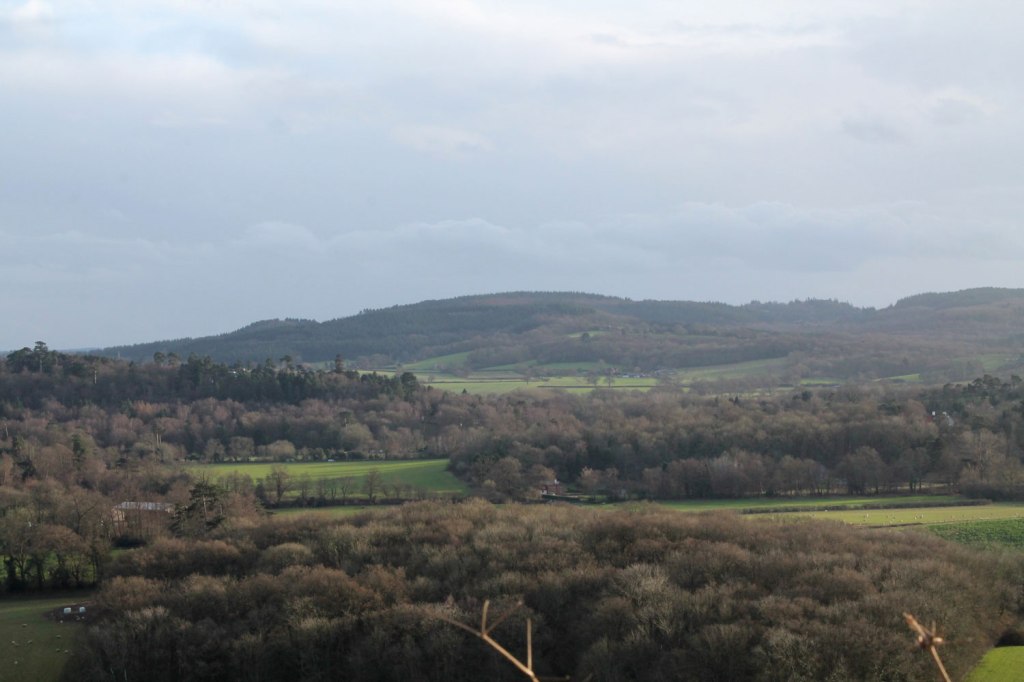
For nearly a decade, Europa Oil & Gas tried to drill for oil on Leith Hill – an Area of Outstanding Natural Beauty in the Surrey Hills. The Leith Hill Action Group fought them through planning committees, public inquiries and courts. When Europa finally won planning permission in 2015, it came with 23 conditions and a three-year deadline. That’s when protectors built a camp in the woods – not to win in court, but to run down the clock. In June 2017, bailiffs spent days extracting protesters from tunnels beneath a fortress built from donated pallets. The camp moved across the road and kept going. In September 2018, Europa withdrew all planning applications. By October 2020, the exploration licence was formally relinquished. It cost them at least £3 million.
The legal marathon (2009-2015)
In March 2009, the Leith Hill Action Group formed with one purpose: stop Europa Oil & Gas from drilling in an Area of Outstanding Natural Beauty for what Europa themselves admitted was a 30% chance of finding oil that would meet 0.014% of UK energy demand over 25 years.
What followed was six years of relentless legal challenge:
In May 2011, after over 2,000 letters of objection, Surrey County Council refused Europa’s planning application. Europa appealed. The first Public Inquiry in July 2012 found against Europa. They challenged that decision in the High Court and won, quashing the Inspector’s ruling. LHAG took it to the Court of Appeal and lost.
A second Public Inquiry was held in April and May 2015. This time Europa won planning permission – but it came loaded with 23 conditions and a three-year deadline to start work or the permission would expire.
LHAG had raised £100,000 from donors, families, companies and Mole Valley District Council. They’d fought Europa through every legal avenue available. The formal battle had been lost, but the constraints they’d forced onto Europa’s permission created an opening for what came next.
Read more about the legal battle at the Leith Hill Action Group website
Running down the clock (2016-2018)
In early 2016, with Europa’s three-year planning window ticking, protectors established a camp on the proposed drill site. The strategy was simple: make it as difficult and expensive as possible for Europa to meet those 23 planning conditions before their permission expired.
What started as a few tents became a cathedral built from donated pallets – including an articulated lorry-load that appeared after a chance conversation in a Dorking pub. Tunnels were dug beneath the camp. At its peak, up to 30 people occupied the site.
In June 2017, bailiffs moved in at dawn. It took specialist tunnelling experts days to extract protesters from what they called “the most complex tunnel system since Swampy in 1996.” The operation cost Europa a fortune.
The camp moved across the road and continued. For another year, protectors maintained their presence while Europa struggled with the planning conditions and watched their deadline approach. The combination of legal constraints, physical occupation, sustained public pressure and mounting costs became unsustainable.
In September 2018, Europa Oil & Gas announced they would no longer pursue the Bury Hill Wood site and withdrew all planning applications. In October 2020, UK Oil & Gas (who had taken over from Europa) formally relinquished the exploration licence.
Why it worked
Neither approach alone would have won.
The legal battle created impossible constraints – 23 conditions and a tight deadline that meant Europa had to move fast and get everything perfect. The direct action made moving fast impossible and getting everything perfect even harder. Every day the camp existed cost Europa money and attention. Every planning condition LHAG scrutinised added friction and delay.
This wasn’t one group defeating a multinational oil company. It was multiple groups using different tactics simultaneously. LHAG fought in committee rooms and courtrooms for six years. Protectors occupied the land for two years. Thousands of people wrote objections, attended meetings, donated money, and kept the pressure visible.
The lesson isn’t that direct action wins or that legal challenges win. The lesson is that sustained, multi-pronged resistance – maintained for nearly a decade by people who refused to give up – can make an “approved” project so difficult and expensive that even a multinational decides it’s not worth it.
Europa admitted it cost them at least £3 million. They were drilling for oil that, even if found, would have supplied barely one-ten-thousandth of UK energy demand. The maths stopped making sense.
In the end, the ancient woodland, the sunken lanes, the water supply, and the Area of Outstanding Natural Beauty that should have been protected from the start – was protected.
 Save Leith Hill